


 Loading...
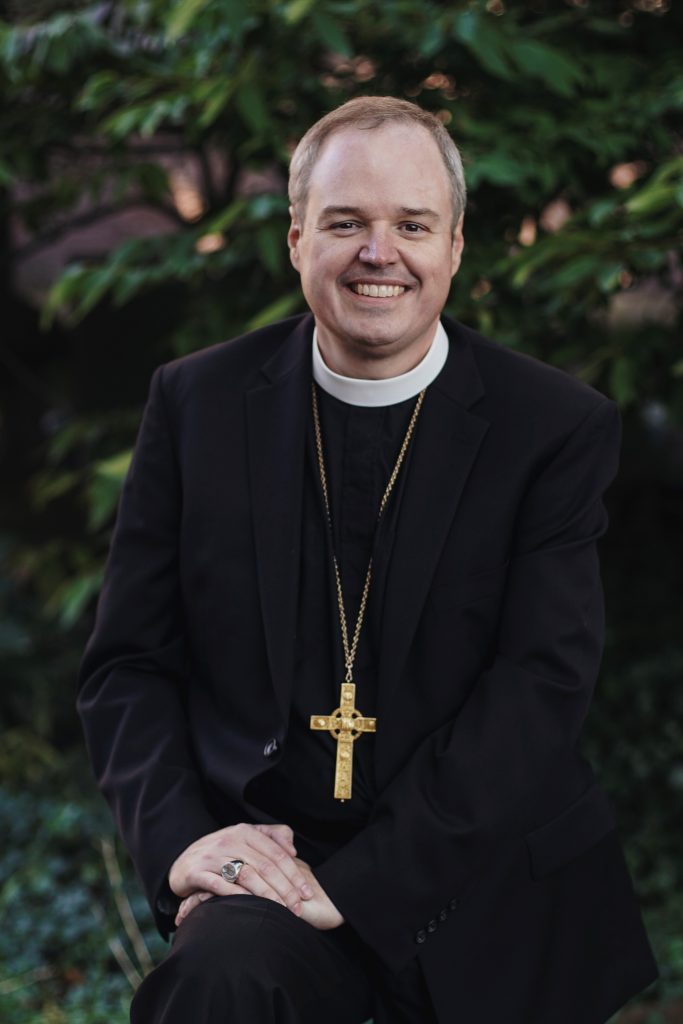
On March 1st, the Reverend Deacon Jim Jenkins will begin his ministry at Saint Paul’s. As best I can tell, the parish has never had a deacon, so part of Jim’s job, and mine, over the next few months will be to help everyone learn about this new kind of ministry.
The first thing to know, however, is that there is nothing new about it! The calling of the first deacons is described in the Acts of the Apostles (6:1-7), and one of them – Stephen – is commemorated as the Church’s first martyr. Through the Church’s history, many notable figures – Saint Lawrence, Saint Francis – have been deacons. Most modern Christian denominations recognize and affirm the ministry of deacons in one form or another.
But in the Anglican Church, and in the Roman Catholic Church from which we take many of our traditions, the role of deacons has been reclaimed fully only in modern times. For many centuries, deacons were usually “priests in waiting.” All priests are ordained first as deacons and later (after 6 months to a year) ordained a second time as priests. From the late Middle Ages until the later 20th Century, most deacons were in this temporary state.
Beginning in the 1960s, however, the Church began to reawaken to parts of its own history, including the tradition of a distinctive and fully formed ministry of deacons. Drawing on Biblical and Early Church sources, we “discovered” that deacons have the charge to bring the world’s problems into the Church’s consciousness and to urge the Church out to tackle those problems. Far from being half-formed priests, deacons are the pushers, prodders, cultivators, and lovers of the Church’s heart for the world.
Deacons also have traditional roles in public worship. They proclaim the Gospel, call the people to prayer and repentance, set and clear the Eucharistic vessels on the altar, and dismiss the people at the end of the Liturgy. In many parts of the Church, they also baptize, and can officiate at weddings and funerals, although they may not celebrate the Eucharist or give absolutions and blessings..
In the American Episcopal Church – and most other parts of the Anglican Communion – deacons do not receive a salary from the churches in which they serve (although their continuing education and professional expenses are usually covered). This means that most deacons either have full-time jobs or are retired. Jim, our new deacon, works for Geisinger – more than a full-time job as those with health care industry experience will attest! So he will not normally be in the office during the week and will have periodic Sundays off to worship with his family and recharge his spiritual batteries.
I am excited by the potential the Deacon Jim’s arrival holds for our social ministry. The mission field begins at (and sometimes even inside) our doors. Please join me in making him welcome.
Blessings
Howie+